There is a distinct, metallic hum to a Saturday morning at the local garden centre. Trolleys clatter over block paving, navigating aisles heavily perfumed with blooming lavender and synthetic compost. You stand before a neat stack of oak sleepers, each shrink-wrapped in tight plastic, devoid of sap or splinter. Then, you glance at the laminated price tag. It suddenly feels as though you are purchasing luxury indoor furniture simply to bury it in the damp British soil.
The standard expectation is that building a raised bed or a retaining wall requires a hefty financial sacrifice. You load pristine sleepers into the boot of your car, wincing at the total at the till. But there is another way, a route taken by those who shape the earth for a living rather than a weekend hobby.
The professional reality exists far away from the neatly swept aisles and café queues. It lives in dusty, echoing yards on the edges of industrial estates and rural access roads. True structural timber does not require a retail display. Once you understand where the rural tradesmen source their materials, the manicured retail experience quickly loses its charm.
The Illusion of the Retail Rarity
Buying oak at a garden centre is rather like buying flour from a high-end patisserie. You are not just paying for the raw material; you are funding the staging, the heating, and the convenience of the neatly paved car park. The retail industry relies on the myth of scarcity, framing heavy landscaping timber as a delicate product requiring special handling.
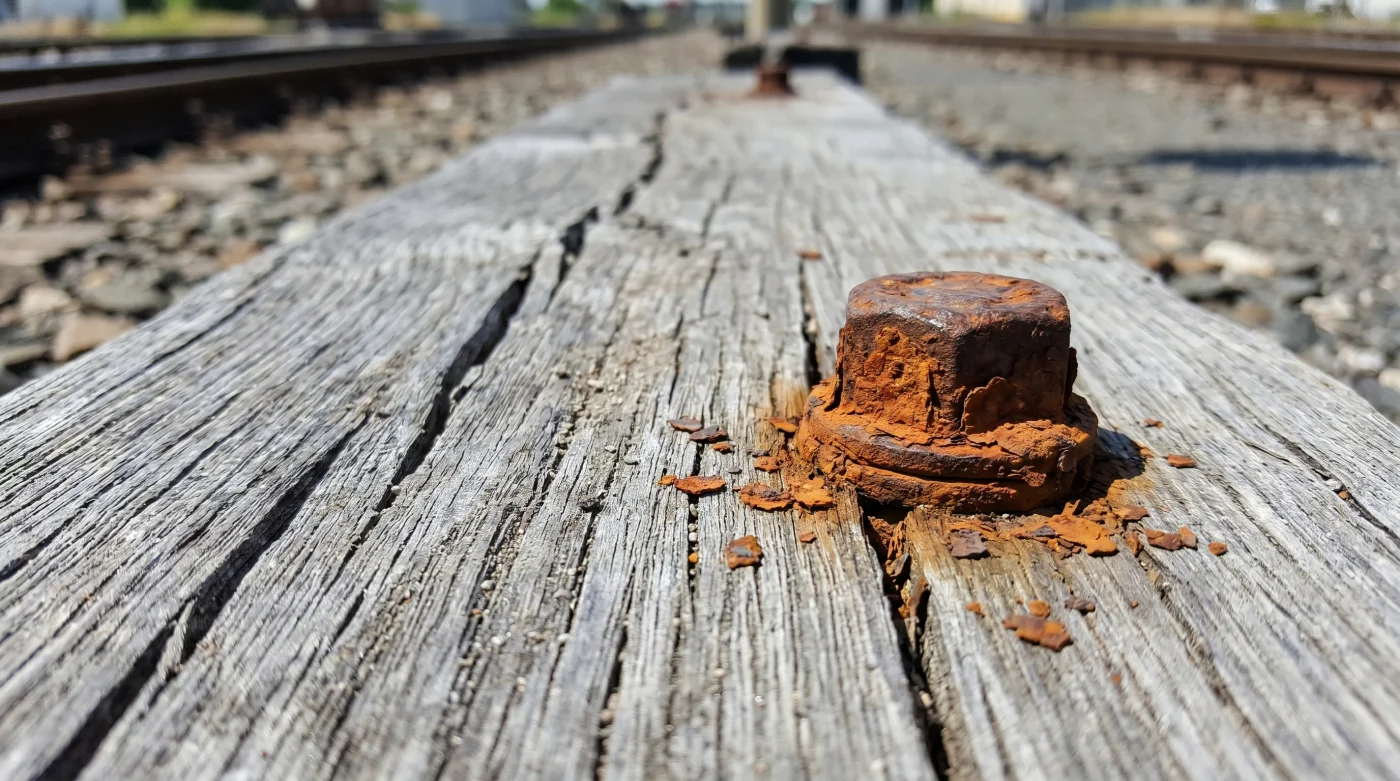
This brings us to a crucial perspective shift. The very features that retail environments polish away—the rough bark, the heavy weeping sap, the uneven, weathered ends—are not flaws to avoid. In the world of structural timber, this ruggedness is your greatest asset. An untreated railway cast-off, heavy with moisture and natural density, holds the earth far better than a kiln-dried, perfectly planed block.
Arthur Pendelton, a 62-year-old agricultural contractor based in Somerset, has spent three decades moving earth and building boundaries. If you ask him about buying timber from a consumer outlet, he will offer a wry, soil-creased smile. ‘They sell you the idea of a garden,’ he notes. Arthur buys his oak directly from agricultural wholesalers, routinely cutting costs by sixty percent compared to the high street.
Choosing Your Timber Profile
Navigating an agricultural merchant’s yard requires a little preparation. Unlike a retail shop, there are no neatly labelled sections. You need to know exactly what you are asking the yard manager for before you pull through the gates.
For the edible garden purist, untreated, freshly sawn oak is the only sensible choice. If you are growing root vegetables or delicate leafy greens, you must avoid older, creosote-soaked reclamation sleepers. Freshly sawn agricultural oak is entirely chemical-free and safe, silvering beautifully over the years without leaching industrial preservatives into your soil.
- Renters are bypassing deposit rules with this 3 pound UPVC window trick
- Heating engineers hate this simple trick for fixing a stuck radiator valve
- The dead space under your combi boiler is actually a storage goldmine
- The 5-minute autumn guttering hack that prevents thousands in damp repairs
- Mechanics reveal the 2 pound mistake ruining your Bosch lawnmower over winter
- Plumbers are begging households to stop scrubbing copper pipes. Do this instead
For the structural architect handling a sloping garden, weight and mass are your primary concerns. Here, you want the heavy-grade, untreated railway cast-offs. These are often slightly imperfect cuts from the mills that supply the rail networks. They might have a slight bow or a rough face, but their structural integrity is immense, capable of holding back a hillside with minimal mechanical fixing.
For the rustic border creator, seek out the ‘grade two’ sleepers. These are the pieces the wholesaler has pushed to the back of the stack because they possess deep splits, known as checks, or entirely uneven bark edges. Retailers reject them completely. Yet, these precise and rugged imperfections catch the morning frost and create an instant, weathered authenticity when edging a wild meadow patch.
Sourcing and Setting the Heavy Oak
Securing and placing these giants is a methodical process. You cannot rush raw oak. It demands a deliberate, physical respect. You must move slowly, treating the installation as a permanent alteration to your landscape.
When visiting the agricultural wholesaler, wear heavy leather gloves and steel toe boots. You will likely be driving your vehicle directly into a working yard. Approach the weighbridge, state your dimensions, and ask for their rough-sawn agricultural grade oak. They will happily load the timber straight into your vehicle with a forklift.
Once you return to your soil, follow these mindful steps for a lasting foundation:
- Trenching: Dig a shallow trench, roughly a third of the sleeper’s depth, ensuring the base is entirely level.
- Drainage: Line the trench with 20mm shingle. Oak is highly durable, but sitting it directly in pooling water invites premature rot. The stone allows the wood to breathe.
- Lifting: Never lift a wet oak sleeper alone. Pivot the timber on its corners to walk it into place, protecting your lower back.
- Fixing: Drive 200mm exterior timber screws through the corners. Always pre-drill the holes; agricultural oak is dense enough to snap a standard steel screw under torque.
Your tactical toolkit for this task is highly specific. You will need a heavy-duty 18V impact driver, an extra-long masonry or wood drill bit for the pilot holes, a spirit level, and a heavy rubber mallet to coax the timber into its final resting place.
Grounding the Garden
There is a profound satisfaction in sourcing materials the way the professionals do. Stepping out of the sterile retail environment and into a working timber yard connects you to the raw mechanics of landscaping. You stop acting as a consumer of packaged goods and become a builder of environments.
Placing that final, heavy piece of oak into the earth provides a quiet, enduring peace of mind. You know exactly where it came from, you know it cost a fraction of the polished alternative, and you know it will sit resolutely in the rain, frost, and sun for decades. It is no longer just a piece of wood; it is the solid, immovable garden spine.
‘The true value of timber isn’t in how it looks on a store shelf, but how it holds the earth when the winter rains come.’ — Arthur Pendelton, Agricultural Contractor
| Key Point | Retail Reality | Agricultural Secret |
|---|---|---|
| Price per Unit | High margins to cover store overheads and display. | Volume pricing, saving up to 60 percent. |
| Timber Quality | Kiln-dried, planed, and artificially smoothed. | Dense, raw, high-moisture cast-offs with maximum durability. |
| Best Application | Light decorative borders and raised planter boxes. | Heavy structural retaining walls and deep vegetable beds. |
Common Timber Enquiries
Are untreated sleepers safe for growing vegetables? Absolutely. Because they have never been treated with creosote or toxic chemical preservatives, agricultural cast-offs are perfectly safe for edible gardens.
How long will an untreated oak sleeper last in the ground? Even without chemical treatments, dense agricultural oak will comfortably last between 20 and 30 years in British soil due to its naturally high tannin content.
Will I need a commercial vehicle to buy from a wholesaler? Not necessarily. Many yards will happily load the boot of a standard estate car or a small hired van, provided you know your vehicle’s payload limit.
Do I need special tools to cut them? You will struggle with a standard hand saw. A circular saw or a heavy-duty chainsaw is required to cleanly cut through agricultural-grade oak.
Why do some sleepers have large cracks in them? These are called checks, and they occur naturally as the heavy wood dries. They do not affect the structural integrity and add beautiful rustic character to your borders.