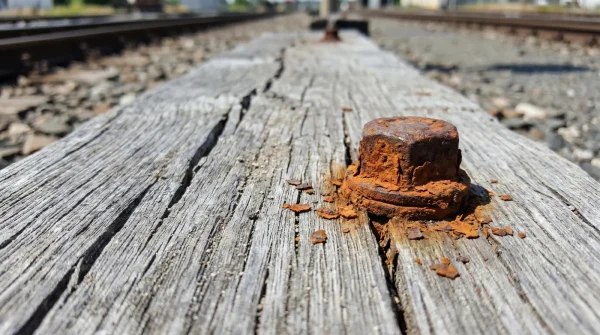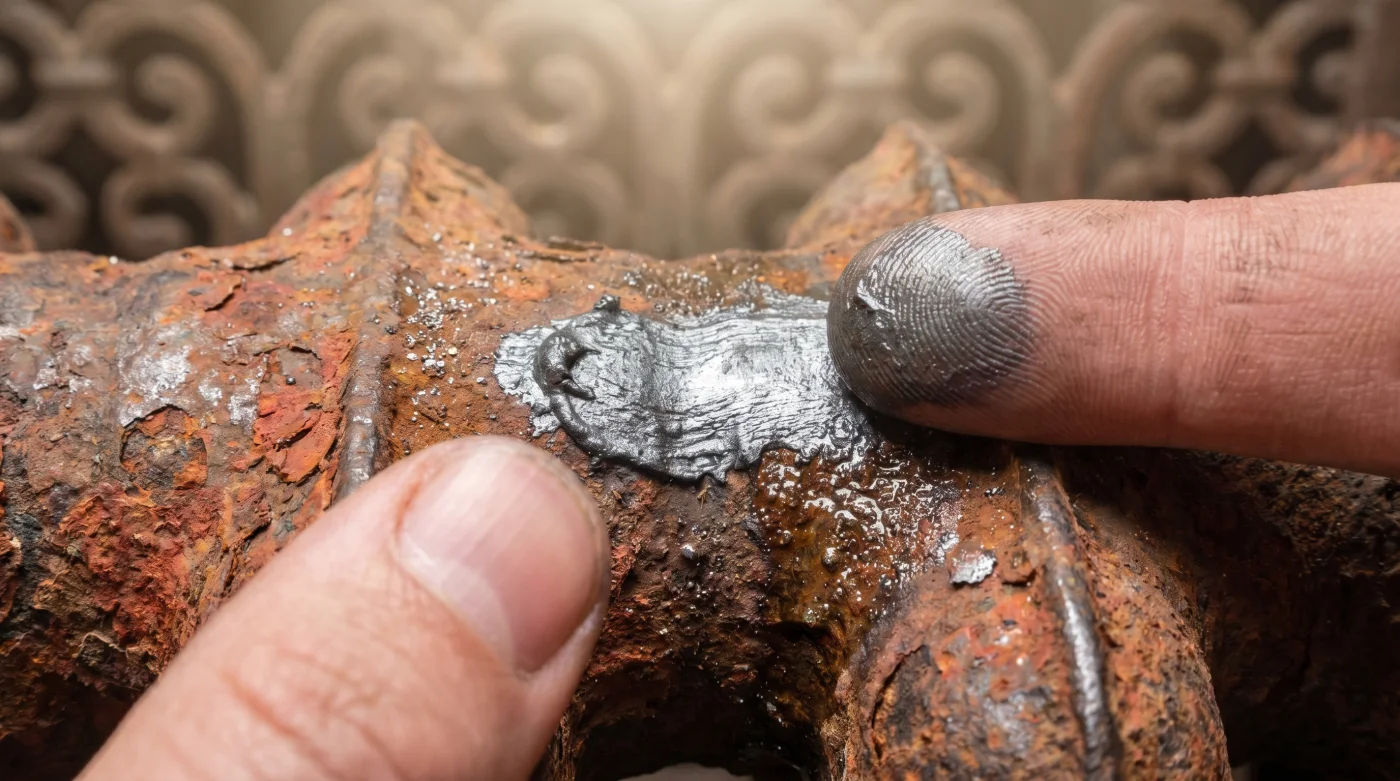
The morning chill settles in the hallway long before the thermostat clicks. You walk past the heavy, ribbed metal sitting beneath the window, running a hand over its cold surface. A fine, orange dust of surface rust immediately catches on your sleeve, a quiet reminder of decades of damp winters, slow leaks, and forgotten maintenance in the older corners of the house.
The temptation is always exactly the same. You consider heading to the local DIY centre, grabbing a thick tin of brilliant white enamel, and slathering it over the metal to hide the neglected history. You already dread the chemical fumes, the inevitable milky drips ruining the skirting board, and the frustrating reality that rust always bleeds back through modern acrylics before the year is out.
But true restoration rarely demands such brute force. The assumption is that reviving these massive heating blocks requires draining the plumbing, disconnecting heavy brass valves, and paying specialists to sandblast the metal back to raw silver. That is simply a modern misconception born from a culture of constant replacement and a strange fear of raw materials.
Instead of suffocating the metal under a thick synthetic blanket, you can actually feed it. By embracing a Victorian method, you rely on a simple paste that interacts with the oxidisation, turning a perceived flaw into a striking, gunmetal finish that costs less than a pint at the pub.
The Graphite Metaphor
Think of rusted cast iron not as a decaying structure, but as incredibly dry, unconditioned leather. When leather cracks and fades, painting over it only creates a brittle shell that will inevitably peel and flake. The metal behaves in a remarkably similar way. Surface oxidisation creates a porous, thirsty texture that is practically begging to absorb a conditioning agent, rather than fighting against a sticky layer of modern gloss.
This is where high-carbon graphite paste completely changes the rules of structural restoration. Rather than acting as a cover-up, the microscopic graphite flakes bind directly to the pitted rust. They slide into the granular surface of the metal, filling the microscopic valleys and creating a smooth, dark, lustrous skin. What was once an embarrassing patch of corrosion becomes the very texture that gives the radiator its bespoke, burnished character.
- BREAKING: Urgent warning issued for UK homes with spray foam loft insulation
- BREAKING: National shortage of fencing panels imminent as new import tariffs hit the UK
- Gardeners are abandoning garden centres for oak sleepers. Here is the secret supplier
- Renters are bypassing deposit rules with this 3 pound UPVC window trick
- Heating engineers hate this simple trick for fixing a stuck radiator valve
- The dead space under your combi boiler is actually a storage goldmine
- The 5-minute autumn guttering hack that prevents thousands in damp repairs
- Mechanics reveal the 2 pound mistake ruining your Bosch lawnmower over winter
- Plumbers are begging households to stop scrubbing copper pipes. Do this instead
It is a lesson Arthur Pendelton learned decades ago. A sixty-eight-year-old architectural salvage expert operating out of a draughty warehouse on the edge of Bath, Arthur spends his weeks wrestling half-ton column radiators from derelict Georgian townhouses. He openly scoffs at the modern habit of spray-painting these historical pieces. Watching him work is a masterclass in restraint; with a simple cotton rag and a tin of traditional black grate polish, he rubs life back into fifty-year-old rust, transforming neglected scrap into glowing, charcoal-coloured centrepieces in mere minutes.
Adjusting for the State of Your Iron
Not all radiators sit in the exact same condition. Understanding the specific physical state of your metal allows you to tailor your approach, ensuring the graphite paste bonds perfectly without unnecessary labour or wasted material.
For the Neglected Antique
If your radiator is entirely coated in an orange, fuzzy layer of oxidisation, it is essentially a blank canvas. The rust here is uniform, providing the perfect porous gripping surface for a high-carbon treatment. You do not need to scrape it down to bare, shining steel. Simply remove the loose, powdery top layer so the paste can reach the solid, oxidised iron beneath.
For the Flaking Modernist
Many radiators suffer from layers of cheap gloss peeling away in thick scabs. In these instances, you must first coax the failing paint away using a non-toxic citrus stripper, revealing the mottled, raw metal beneath. The graphite paste cannot work its magic through a plastic coating; only when the metal is bare can the carbon bind directly to the iron pores.
For the Preventative Purist
Perhaps your heating system is functioning perfectly, but the metal looks exhausted, dull, and matte grey. There is no active rust, just a tired, dusty patina. Here, the paste acts as a protective barrier. It feeds the porous iron, darkening the finish to a deep pewter while preventing the moisture in the air from causing future blooms of rust during the humid summer months.
The Four-Pound Revival
Applying this restoration paste is a quiet, meditative process that requires almost no technical skill. It is about working the material into the surface with intention, allowing the carbon to do the heavy lifting. Leave the protective gloves off if you wish to feel the texture, though your hands will temporarily resemble a coal miner’s at the end of the shift.
- The Prep: Use a stiff bristle brush—not wire, which can scratch too deeply—to sweep away loose dust, cobwebs, and flaky rust from between the columns.
- The Application: Take a soft, lint-free cloth and gather a coin-sized amount of the graphite paste. Work it into the iron using tight, overlapping circles.
- The Curing: Allow the paste to sit for twenty minutes. The metal should look slightly matte as the carrier waxes begin to naturally evaporate.
- The Buffing: Switch to a clean, dry cloth. Rub the surface briskly. The friction heats the remaining waxes and aligns the graphite flakes, raising a deep, metallic lustre.
- The Bake: Turn your central heating on. The gentle heat of the water flowing through the system bakes the finish onto the iron, securing it for the years ahead.
Your tactical toolkit for this weekend project is refreshingly sparse. You need a stiff scrubbing brush, two clean cotton rags, a dust sheet to protect your carpets, and a tin of traditional black grate polish—usually found for under four pounds in the aisles of independent hardware shops.
More Than Just Heat
Restoring a cast iron radiator by hand shifts your relationship with your home. You stop viewing old fixtures as frustrating burdens that require expensive professional intervention, and start seeing them as living elements that simply need the right kind of physical nourishment to thrive.
There is a profound, quiet satisfaction in looking at a glowing, gunmetal radiator and knowing you drew that finish out of the rust yourself. It grounds you in the present moment, turning a mundane weekend chore into an act of genuine preservation. You are no longer just maintaining a house; you are actively caring for the bones of your domestic space.
The finest finishes are never applied to a surface; they are coaxed out from within the material itself.
| Key Point | Detail | Added Value for the Reader |
|---|---|---|
| Graphite Paste vs Paint | Paste binds to rust and iron pores; paint sits on top. | Eliminates peeling, cracking, and the need for toxic chemical strippers. |
| Surface Preparation | Only loose, powdery rust must be removed. | Saves hours of exhausting sanding and avoids the cost of professional sandblasting. |
| Thermal Curing | The central heating bakes the finish into the metal. | Creates a highly durable, heat-resistant barrier using the system’s own energy. |
Frequently Asked Questions
Will the graphite smell when the heating is turned on? There may be a faint, waxy scent for the first few hours as the paste bakes into the iron, but it dissipates entirely by the second day.
Can I use this over an existing layer of gloss paint? No. The graphite needs porous metal or rust to bind successfully; it will simply smear off a smooth painted surface.
Does this transfer onto clothes if I dry laundry on the radiator? Once properly buffed and baked by the heat, the finish is sealed and will not transfer onto your fabrics.
How often do I need to reapply the paste? A well-buffed application typically lasts three to five years before a quick maintenance rub is required to revive the lustre.
Is this suitable for modern steel panel radiators? This technique is specifically for cast iron or raw steel; modern panels lack the porous texture needed to hold the carbon.